Landscape Maintenance Advice for Controlling Overgrowth


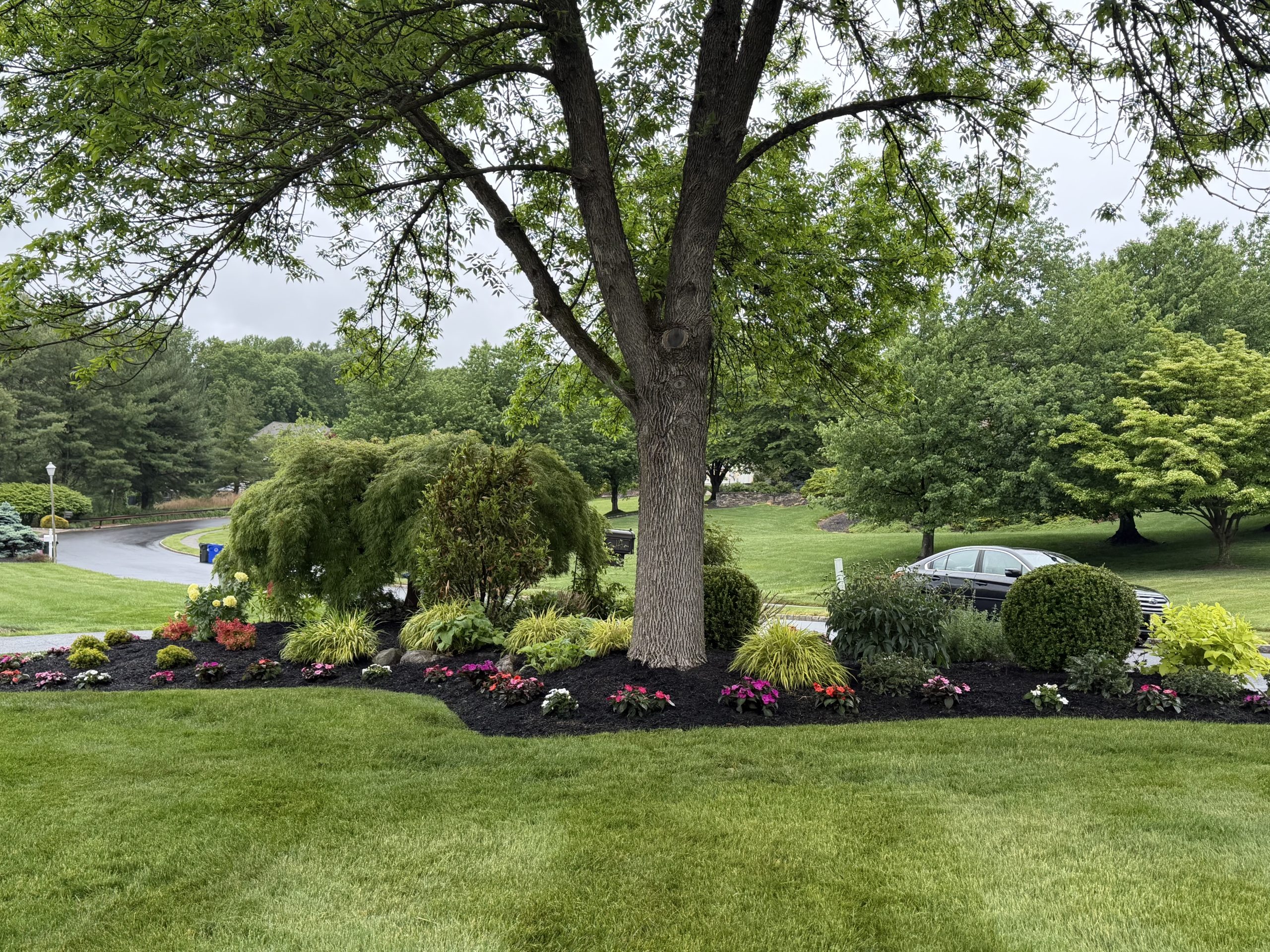
Overgrowth rarely starts with a dramatic moment. Most properties slip into it gradually. A shrub puts on an extra foot of growth in spring, turf creeps over the bed edge, vines reach into fence lines, volunteer saplings appear in a back corner, and suddenly the landscape feels heavier, darker, and harder to manage. By the time an owner decides something needs attention, the issue is often larger than a weekend cleanup.
That is why effective Landscape Maintenance is less about occasional big efforts and more about steady control. Healthy landscapes do not stay tidy on their own, especially in regions with long growing seasons, regular rain, or rich soil. Plants do what they are designed to do. They expand, self-seed, shade weaker neighbors, and search for water and light. If the original design is not actively managed, overgrowth changes both appearance and performance.
I have seen this play out in every kind of setting, from compact front yards to large commercial sites. The pattern is predictable. Once plant mass exceeds the space available, routine tasks become harder. Crews cannot reach irrigation heads. Airflow drops inside shrubs. Turf thins under dense shade. Beds begin to trap leaves and moisture. The property starts looking neglected even when someone is working on it regularly. Good maintenance at that point is not just pruning for shape. It becomes a process of restoring balance.
What overgrowth really costs
Most people notice overgrowth first as a visual problem, but the practical costs are usually higher than the aesthetic ones. Dense vegetation can hide pests, block walkways, obscure lighting, and press branches against siding or roofing. On commercial properties, it can affect sightlines and create safety concerns near entrances, parking areas, and monument signs. On residential sites, it often shortens the life of mulch, makes irrigation less efficient, and increases disease pressure in crowded beds.
There is also a labor cost that many owners underestimate. A well-maintained bed might need selective hand pruning and light edging. An overgrown bed often requires reduction cuts, hauling, reset lines, weed extraction from rooted matting, and follow-up visits because the first cut exposes issues no one could see before. It is common for a neglected area to take three times longer to restore than it would have taken to maintain correctly over the previous season.
The financial side follows the same logic. Regular trimming and seasonal thinning are usually cheaper than hard renovation. When owners delay too long, the choices narrow. Either accept a poor-looking landscape that remains expensive to service, or pay for aggressive corrective work, plant replacement, or both.
Start by reading the site, not just the symptoms
Controlling overgrowth begins with diagnosis. Cutting everything back may make a space look cleaner for a few weeks, but if you do not understand why the area became overgrown, the same problem returns fast.
The first question is whether the plant belongs in that space at all. Many shrubs sold as neat foundation plants mature far larger than their installed footprint suggests. It is common to see species placed two or three feet from a walkway that ultimately want six or eight feet of width. Maintenance crews then shear them repeatedly to contain a natural habit that was never suited to the location. The result is dense outer growth, dead interior wood, and a shape that always looks slightly strained.
The second question is about conditions. Fertile soil, over-irrigation, and frequent fertilizer use can push vigorous growth even in plants that were appropriately chosen. I often find overgrown foundation beds where spray heads are hitting shrubs every morning because the irrigation was designed around turf, not ornamental plants. The shrubs respond with soft, fast growth, and the extra moisture encourages weeds and fungal issues. What looks like a pruning problem is partly a water management problem.
The third question is maintenance timing. Some landscapes are serviced often, but at the wrong times. Crepe myrtles topped during active growth, spring-flowering shrubs cut immediately before bloom, and hedges lightly trimmed every couple of weeks all respond in predictable ways. They put energy into dense surface growth, lose structure, and become more labor-intensive each month.
The difference between healthy fullness and true overgrowth
A mature landscape should not look bare or sparse. Fullness is often desirable. The challenge is knowing when density crosses the line into dysfunction.
Healthy fullness still allows plants to express their natural form. Branches are layered rather than packed into a shell. Light reaches some interior growth. Mulch lines remain visible. Air can move through the planting. You can inspect irrigation heads, bed edges, and lower trunks without wrestling your way in.
Overgrowth feels different on the ground. The planting masses together into a single block. Plants rub against one another. Limbs arch into paths. Groundcovers climb into shrub canopies. Weeds establish under cover because they are hard to spot early. Beds become difficult to enter without damaging the very plants you are trying to maintain.
One simple field test is access. If a worker cannot reach key areas for weeding, inspection, or irrigation adjustment without major effort, the landscape is already beyond comfortable maintenance range. That is not a cosmetic judgment. It is an operational one.
Pruning with purpose, not panic
Corrective pruning is where many overgrowth problems either improve or get worse. The instinct to shear everything to a uniform size is understandable, especially when the site needs a quick visual reset. But repeated shearing is often what created the problem in the first place.
Selective pruning produces better long-term control. That means removing or shortening individual branches back to a meaningful point, usually a lateral branch, bud, or main stem. This approach reduces overall size while preserving structure. It also lets light into the interior, which matters more than most people realize. Once interior growth receives light and airflow again, the plant can maintain a healthier shape with less extreme outer growth.
For broadleaf evergreens like viburnum, ligustrum, or wax myrtle, thinning cuts can be transformative. On neglected shrubs, removing a percentage of the oldest stems at the base often works better than trying to flatten the outside. The first pass can look bold, sometimes uncomfortably so to owners who are used to a dense wall of green. Within one growing cycle, though, the plant usually rebounds with better texture and a more natural profile.
There is judgment involved. Some species tolerate hard reduction well. Others do not. Hollies can often recover from substantial pruning if they are otherwise healthy. Boxwoods tend to resent sudden, severe cutbacks, especially in heat or drought. Junipers rarely forgive cuts into bare old wood. The best maintenance decisions come from knowing both the plant and the season.
If a landscape has been sheared for years, expect a transition period. The first structural pruning may reveal dead zones or awkward branching. That is normal. It often takes two or three maintenance cycles to rebuild a shrub into a form that looks intentional again.
Timing matters more than people think
Overgrowth control is easier when maintenance aligns with plant behavior. Late winter is a practical window for many deciduous trees and shrubs because structure is visible and spring growth has not started. For spring-flowering shrubs, pruning after bloom protects next year’s flower set while still giving enough time for regrowth. Summer thinning can be useful for vigorous species, but heavy cuts during heat stress can create scorch, especially if dense outer growth has been shading interior bark.
Warm-season turf and ornamentals have their own calendar. Miss one mowing cycle in peak summer and turf can quickly scalp when you try to catch up. Let ornamental grasses stand too long into the active season and the cleanup interferes with new growth. Delay deadheading or cutting back spent perennials, and self-seeding can turn a designed bed into a patchwork of volunteers by next year.
A practical rule from field work is that maintenance windows are usually narrower than clients expect. Once growth surges, the amount of correction needed rises fast. A property that looks acceptable in early May can look uncontrolled by mid-June in wet weather. This is one reason fixed monthly service plans often underperform on certain landscapes. Plant growth does not follow billing cycles.
Turf edges, bed lines, and the silent spread
When people think about overgrowth, they usually picture hedges and shrubs. In reality, some of the worst visual drift comes from turf and groundcover spread. Bed edges soften, grass stolons creep into mulch, liriope advances into open space, and before long the clean geometry of the site is gone.
This is not a minor detail. Crisp edges create the impression of order even when plantings are lush. Lose the edge and the entire landscape feels less maintained. On large properties, restoring bed lines can be one of the highest-value tasks because it changes the visual read immediately.
The best control method depends on the site. Mechanical edging works well for many formal beds. In looser, naturalized settings, hand-defined transitions may suit the design better. What matters is consistency. Edge definition cannot be treated as a once-a-year task if the surrounding growth is aggressive.
Groundcovers deserve special scrutiny. English ivy, vinca, Asian jasmine, and similar spreaders can solve bare-soil problems, but they often become management problems later. I have seen groundcover swallow irrigation boxes, climb small ornamental trees, and create dense mats that hide vine weeds until the infestation is severe. If the planting is no longer serving its intended function, control may require reduction or replacement, not just trimming.
Small trees and volunteer growth need early decisions
Saplings and self-seeded trees are one of the easiest overgrowth issues to ignore and one of the most expensive to postpone. A volunteer sweetgum or maple in a bed corner may seem harmless for a season or two. Left alone, it becomes a rooted structural problem that competes with established plants and often grows in exactly the wrong place, near fences, foundations, utilities, or hardscape edges.
Early removal is usually straightforward. Delay it, and you move from hand tools to saws, stump treatment, and possible repair work where roots have pushed into surrounding areas. The same applies to sucker growth from tree bases or shrub colonies. If it is caught early, it is routine. If it is allowed to mature, it changes the scale of the maintenance work.
This https://patch.com/users/silentxpi7 is one area where regular walk-throughs matter. Volunteer growth often establishes in the least visible parts of the property, behind screens, around HVAC units, along drainage swales, and at fence margins. Those are also the zones where overgrowth accelerates because no one wants to push through them during a rushed service visit.
The places where overgrowth starts fastest
Some areas almost invite neglect. When I inspect a property for recurring overgrowth, these are usually the first zones I check:
- fence lines and rear property boundaries
- around utility boxes, condensers, and irrigation controls
- beneath dense shrubs where mowing and weeding are awkward
- corners near downspouts or drainage outlets
- bed transitions where turf, mulch, and groundcover meet
Each of these zones combines low visibility with favorable growing conditions or difficult access. If they are not intentionally included in the maintenance plan, they become the site’s weak points.
When to remove instead of maintain
Not every overgrown planting deserves rescue. This can be a hard conversation because owners may be attached to mature material, or they may assume keeping an existing plant is always cheaper than replacing it. Sometimes that is true. Often it is not.
A shrub that needs severe reduction three or four times a year to stay out of a walkway is a design mismatch. A tree planted under utility lines is a long-term conflict. A groundcover that constantly invades adjacent beds may consume more labor than its visual value justifies. In those cases, removal and replacement can lower annual maintenance costs while improving the look of the property.
The best replacements are usually slower-growing, site-appropriate plants that fit the mature dimensions of the space. That sounds obvious, but it is where many landscapes fail. Initial install decisions are often driven by what looks full on day one rather than what will work in year five. Good Landscape Maintenance can manage growth, but it should not spend every season fighting a plant’s basic nature.
I remember a commercial entry where dwarf yaupon hollies had been installed in a narrow bed between a sidewalk and tinted storefront glass. After several years, the shrubs were reduced into hard green domes every few weeks because they kept pressing into pedestrian space. The property manager assumed the issue was service quality. It was not. The bed was simply too shallow for the plant mass. Replacing those hollies with lower-growing material reduced maintenance time noticeably and improved the entry immediately.
Water, fertility, and mulch all influence overgrowth
Pruning gets most of the attention, but cultural practices often determine how aggressive growth becomes. Over-irrigation is one of the most common drivers. Landscapes watered on turf schedules tend to push ornamental growth beyond what is healthy or manageable. Excess moisture encourages lush shoots that require more trimming and are often more susceptible to disease and storm breakage.
Fertilizer can have the same effect. High-nitrogen feeding may produce impressive green-up, but on shrubs and groundcovers it often leads to coarse growth that quickly exceeds the intended shape. On many established landscapes, especially those with decent soil, less fertilizer produces a better result. The goal is not maximum growth. It is controlled, durable growth.
Mulch helps suppress weeds and moderate moisture, but too much mulch can create its own problems. Deep mulch around shrub bases can hide suckers, encourage shallow rooting, and make beds look swollen and unkempt. A moderate layer, refreshed as needed rather than piled annually, tends to support cleaner maintenance.
A sensible recovery plan for an overgrown property
When a site has been neglected for a while, it helps to prioritize rather than trying to perfect everything at once. The sequence matters because some tasks expose others.
- restore access and sightlines first, especially around walks, drives, entries, and utilities
- reset bed edges and remove volunteer trees or invasive spreaders
- structurally prune oversized shrubs and thin congested areas
- correct irrigation overspray or scheduling problems that fuel excessive regrowth
- re-evaluate plant selection in the worst recurring trouble spots
This approach prevents wasted effort. There is little value in fine-detail pruning before you can even access the bed cleanly, and there is no point correcting growth repeatedly if the irrigation system is still driving the same issue.
Maintenance schedules should reflect growth rates, not habit
One of the most common reasons overgrowth returns is that the service schedule does not match the landscape. Some properties truly can be maintained on a simple recurring cycle. Others need seasonal adjustment. Rapid spring flushes, summer weed pressure, and late-season turf expansion may require different visit intensity than winter cleanup.
Professional crews usually perform better when scope is explicit. “Maintain shrubs” is vague. “Thin spring flush on south foundation bed, hold clearance eighteen inches off walk, preserve natural form” is actionable. The more specific the standard, the less likely the work drifts toward repetitive shearing or missed problem areas.
Owners can help by understanding that neat landscapes often require intervention before they look bad. Waiting until overgrowth is obvious almost always raises the cost. Preventive maintenance is less dramatic, but it is more efficient.
A controlled landscape still needs room to breathe
The best-managed properties do not look stripped or rigid. They look settled. Plants have enough room to express their character, but not so much freedom that they consume the space. Paths stay open. Windows stay clear. Bed lines remain legible. Trees cast shade without swallowing lights and signage. The landscape feels mature, not overrun.
That balance comes from repeated small judgments. Which branch should stay, which one should go, where should the edge be redefined, when is a plant asking for too much labor, and when is an irrigation pattern pushing growth that no pruning schedule will ever fully control. Those questions sit at the heart of effective Landscape Maintenance.
Overgrowth is not just a matter of neglect. It is often the combined result of plant choice, timing, water, and habit. The good news is that it is usually fixable. With careful pruning, better scheduling, and a willingness to remove plants that no longer fit their space, even a heavy, crowded landscape can return to order. Once that happens, keeping it there becomes far easier than most people expect.
Majestic Mowing & Landscaping LLC
Phone number: +19733975532
FAQ About Landscape Maintenance
What is landscape maintenance?
Landscape maintenance is the ongoing care, cleaning, and upkeep of outdoor green spaces to keep them healthy, safe, and attractive.
Is $100 an hour too much for landscape work?
An hourly rate of $100 is not too much for specialized or professional landscape work, though it sits at the higher end of the standard pricing spectrum.
How much do landscapers charge for maintenance?
For professional landscaping maintenance, homeowners typically pay $100 to $410 per month for recurring services, or an hourly labor rate of $50 to $100 per hour per crew member.